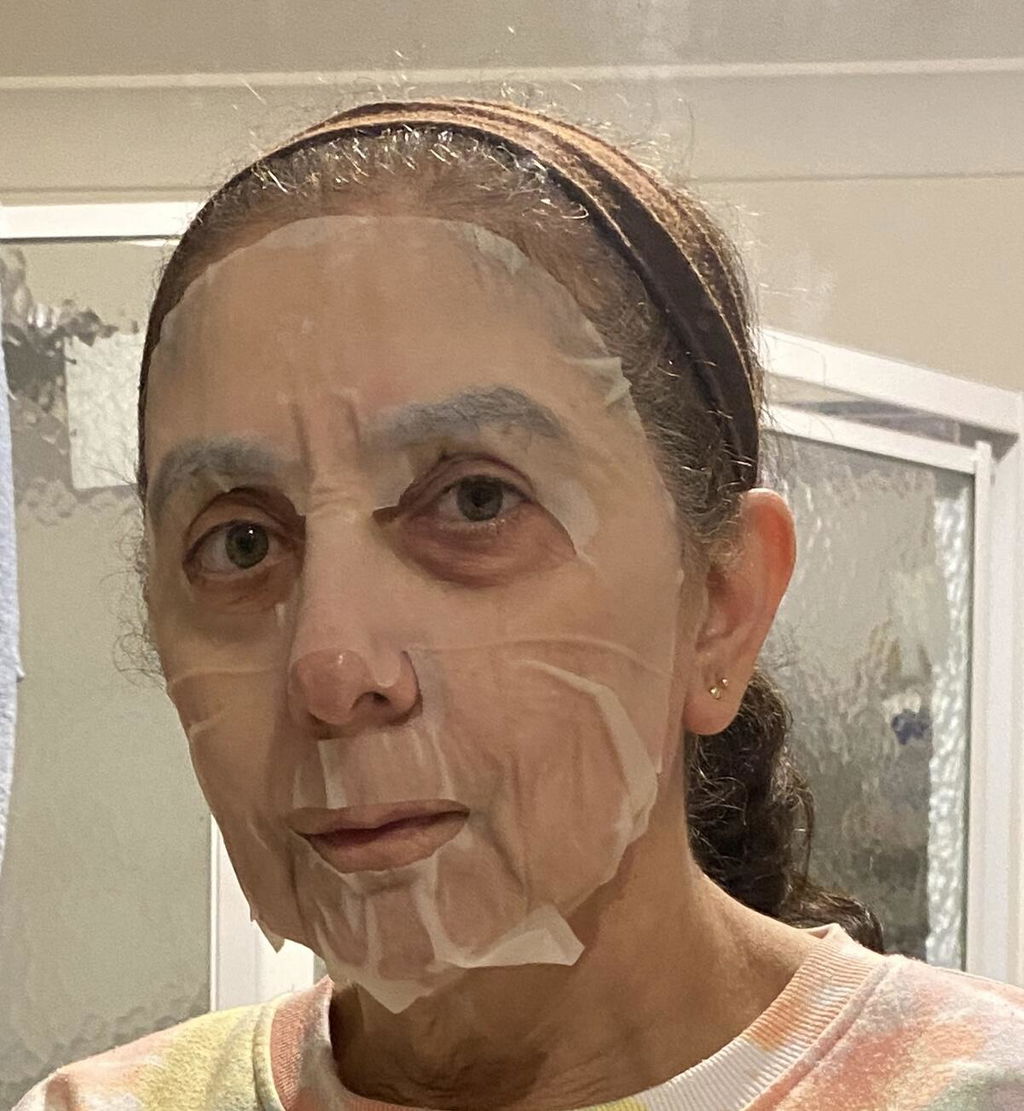
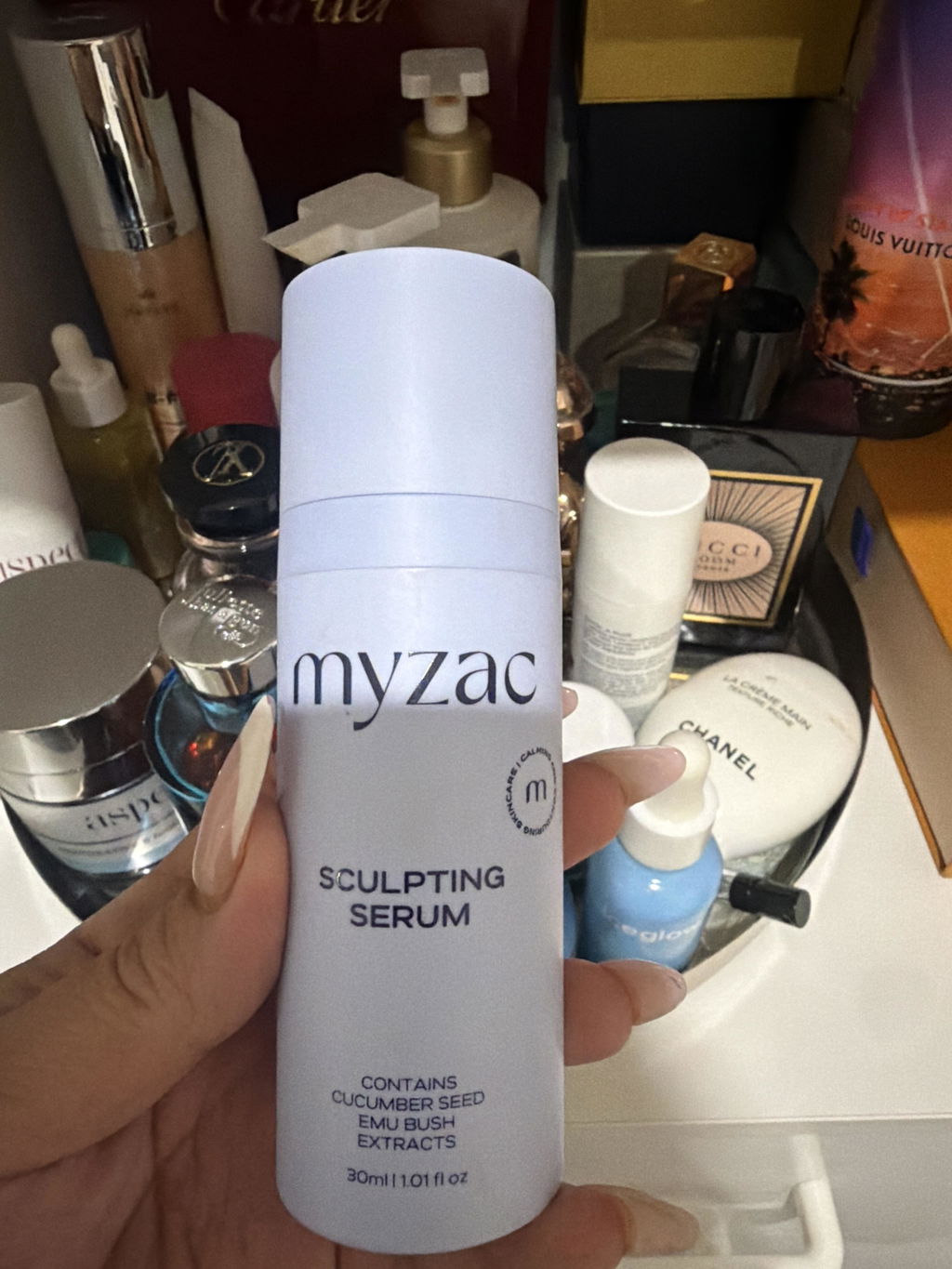
If your skin feels tight, reactive, dry, or suddenly sensitive to products you have used for years, your skin barrier may be compromised. Barrier damage has become increasingly common as more people experiment with strong actives, layered routines, and frequent exfoliation. The good news is that with the right approach, the skin barrier can recover and become more resilient over time.
Understanding how to support your barrier naturally is one of the most important steps toward long-term skin health.
What Is the Skin Barrier?
The skin barrier is the outermost layer of your skin. Its job is simple but critical. It keeps moisture in and irritants out. When functioning properly, it protects against environmental stress, bacteria, and water loss.
Think of it as your skin’s security system. When it is strong, your skin feels comfortable, balanced, and hydrated. When it is weakened, everything starts to feel irritating.
Signs Your Barrier May Be Compromised
Barrier damage does not always look dramatic. Sometimes it presents as subtle discomfort. Common signs include:
Persistent tightness
Stinging when applying products
Increased redness
Dry patches that do not improve
Shiny but dehydrated skin
Sudden breakouts after using actives
If your skin feels more reactive than usual, it is often a barrier issue rather than a need for stronger treatment.
What Causes Barrier Damage?
Modern skincare routines are often the biggest trigger. Overuse of exfoliating acids, retinol, harsh cleansers, and physical scrubs can slowly weaken the protective layer.
Other contributing factors include:
Sun exposure
Cold or windy weather
Stress
Pollution
Frequent cosmetic treatments
Over-cleansing
Even well-intentioned routines can tip the balance if the skin is not given time to recover.
Why Gentle Support Works Best
When the barrier is compromised, the instinct is often to treat the visible symptoms. But the most effective strategy is to simplify.
Barrier recovery is about reducing inflammation, restoring hydration, and allowing the skin to rebuild itself naturally. Clinically inspired brands such as https://myzac.com.au reflect this philosophy by focusing on calming, supportive formulations rather than aggressive correction.
Step One: Remove the Irritation
The first step is pausing strong actives. This includes exfoliating acids, high-strength retinol, and abrasive scrubs. Continuing to use them while your skin is compromised will prolong recovery.
Switch to a gentle cleanser that does not leave your skin feeling tight. Cleansing should leave your skin comfortable, not stripped.
Step Two: Rehydrate and Replenish
Hydration is critical for barrier repair. Look for lightweight, soothing products that absorb easily without overwhelming the skin.
Hydration helps restore flexibility and comfort, reducing that tight or prickly feeling often associated with barrier damage. Products designed with a calming and cooling philosophy, like those found at https://myzac.com.au, can support this stage of recovery.
Step Three: Protect Without Overloading
While your barrier heals, keep your routine minimal. A simple structure works best:
Gentle cleanse
Hydrating mist or serum
Barrier-supportive moisturiser
Daily sun protection
Avoid adding new experimental products during this phase. Consistency is more powerful than complexity.
Natural Support Through Calming Ingredients
Many people prefer to support their barrier with naturally soothing ingredients. Botanical extracts, lightweight hydrators, and skin-compatible formulations can provide comfort without overwhelming sensitive skin.
Cooling textures are especially helpful because they reduce the sensation of heat and irritation. This immediate comfort makes it easier to stick to a simplified routine while your skin recovers.
Patience Is Part of the Process
Barrier recovery does not happen overnight. Depending on the level of damage, it can take several weeks for skin to fully rebalance.
The key is resisting the urge to “fix” things quickly. The more you simplify, the faster your skin can stabilise.
Clinically grounded skincare philosophies focus on resilience rather than rapid transformation. This approach builds long-term strength rather than temporary improvement.
When to Reintroduce Actives
Once your skin feels consistently calm, hydrated, and free from stinging, you can slowly reintroduce actives. Start with low frequency and lower strengths. Monitor how your skin responds.
If irritation returns, scale back again. The goal is finding a balance that maintains barrier health while still achieving your skincare goals.
The Long-Term Mindset
Supporting a compromised barrier is not just about recovery. It is about prevention. Once your skin is stable, maintaining barrier-friendly habits becomes the priority.
This includes:
Avoiding over-exfoliation
Listening to signs of sensitivity
Choosing supportive formulations
Maintaining consistent hydration
Brands like https://myzac.com.au align with this long-term mindset by focusing on comfort-first skincare that supports skin health over time.
Final Thoughts
A compromised skin barrier can feel frustrating, especially when products you once loved suddenly cause irritation. But barrier damage is common and reversible with the right approach.
By simplifying your routine, prioritising hydration, and choosing calming, thoughtfully formulated products, you allow your skin to rebuild its natural strength.
Healthy skin is not created by pushing it harder. It is created by supporting it consistently. When you focus on comfort, balance, and resilience, your skin has the opportunity to thrive naturally and sustainably.
This content is general information only and is not medical advice. Always patch test new products and follow the label directions for use. If irritation persists or you have ongoing skin concerns, consult a qualified healthcare professional.