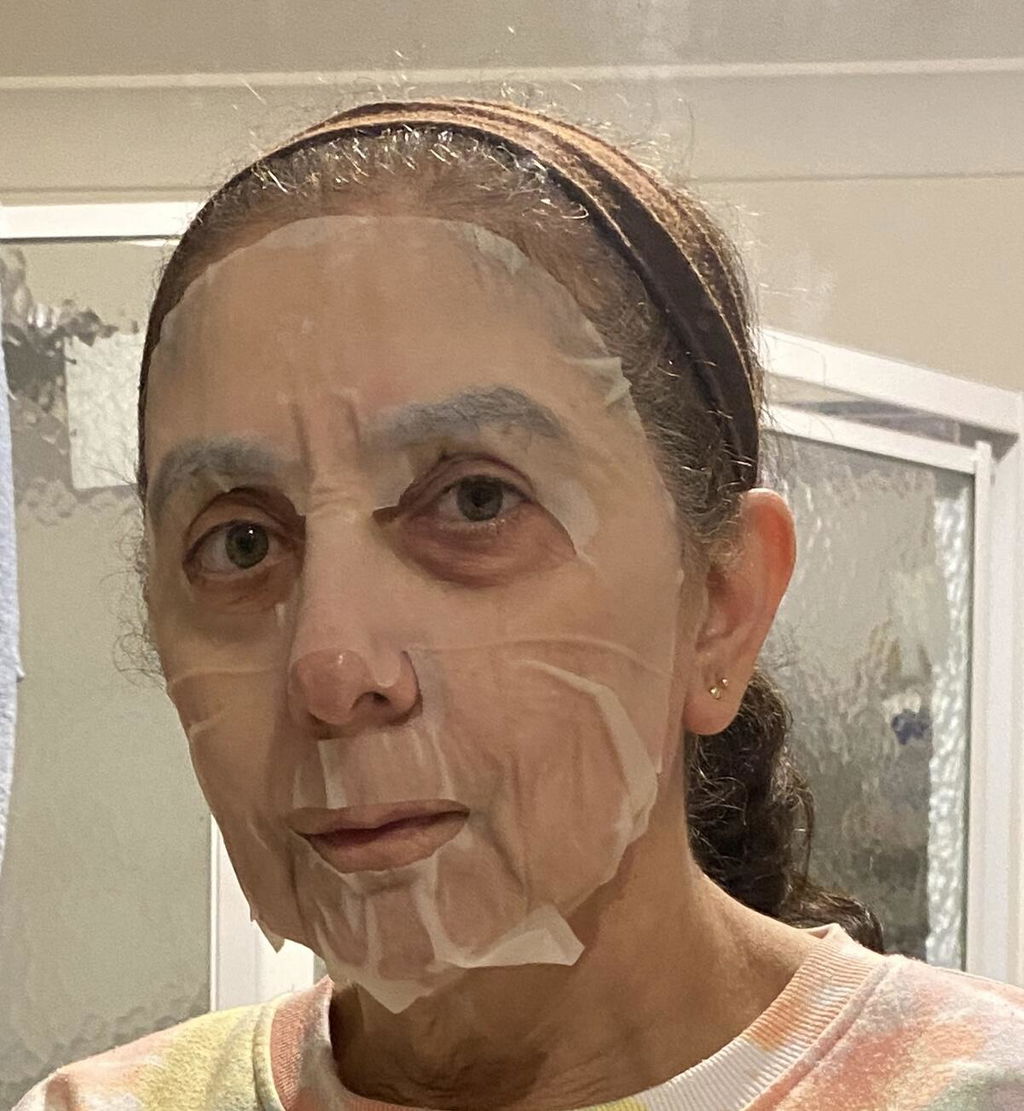
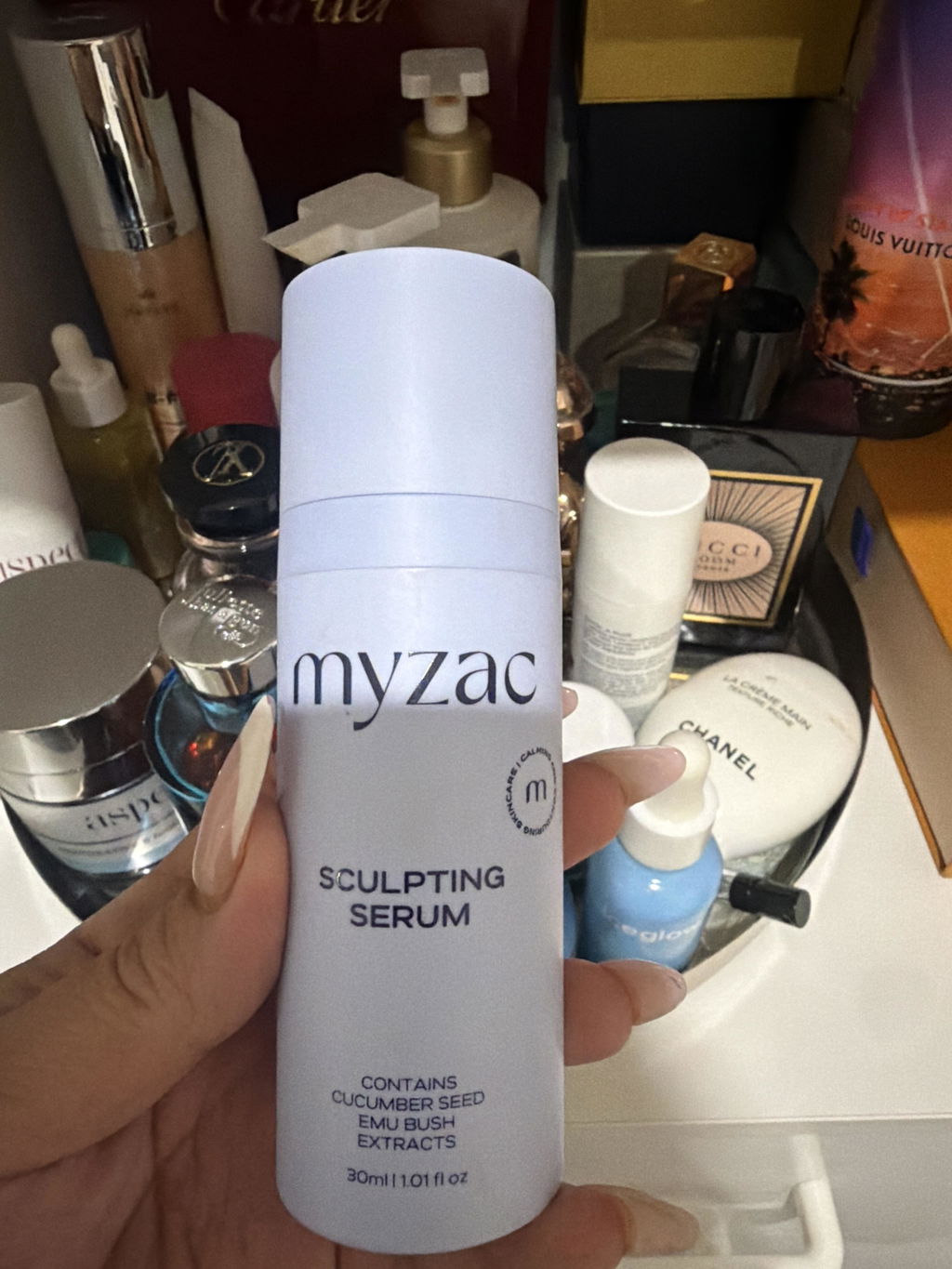
Understanding Sensitive-Feeling Skin (and How to Keep the Peace)
When your skin feels vulnerable, tender, or looks red and uncomfortable, it usually does not want more steps. Sensitive-feeling skin often does best with a routine that is gentle, consistent, and focused on hydration and barrier support.
Sensitivity can show up as:
- Visible redness
- Stinging or “prickly” feelings
- Tightness or dryness
- Skin feeling more reactive to products that previously felt fine
What Can Contribute to Sensitivity
Sensitive-feeling skin can be triggered by a few common things, including:
- Overuse of strong actives (for example, retinoids and exfoliating acids)
- Harsh cleansers or abrasive scrubs
- Environmental exposure such as pollution, sun, wind, or extreme temperatures
- Fragrance or other ingredients that do not agree with your skin
- After professional skin treatments, when skin may feel more delicate than usual
Even small routine changes can sometimes leave skin feeling “overdone.”
Why Barrier Support Matters
Your skin barrier is your built-in comfort layer. It helps skin hold onto hydration and cope with everyday stressors. When skin feels dry, tight, or easily reactive, a barrier-supportive routine can help skin feel more comfortable and look more even.
This is why many people with sensitive-feeling skin prefer formulas that are gentle, purposeful, and free from unnecessary extras.
Ingredients People Often Look For (When Skin Feels Reactive)
When skin feels sensitive, it can help to choose products that focus on hydration and comfort, such as:
- Humectants (like hyaluronic acid) to support moisture
- Soothing botanicals (like aloe or chamomile) where tolerated
- Barrier-supportive lipids to support the feel of the skin barrier
- Cooling ingredients that provide an immediate comfort sensation
The goal is not to overwhelm the skin. It is to support it with balanced formulas that feel good to use.
How Your Routine Can Affect Sensitivity
More products do not always equal better results. Layering too many steps, switching products frequently, or stacking multiple strong actives can leave skin feeling more uncomfortable.
A simple routine often feels better:
- Gentle cleanse
- Hydration
- Barrier support
- Sunscreen in the daytime
Lifestyle Factors That Can Influence Skin Comfort
Skin does not exist in a vacuum. Comfort can also be influenced by:
- Stress (which can make skin feel more reactive)
- Poor sleep (which can leave skin looking dull or feeling less comfortable)
- Hydration and diet
- Environmental exposure (sun, heat, cold, air conditioning)
Tips for Managing Sensitive-Feeling Skin
- Keep your routine simple and consistent.
- Choose gentle, barrier-supportive formulas.
- Introduce one new product at a time and monitor how your skin feels.
- Avoid stacking multiple strong actives in the same routine.
- Use sunscreen daily.
Final Thoughts
Sensitive-feeling skin usually responds best to gentle care and steady routines. Focus on hydration, barrier support, and formulas that keep the peace, and let consistency do the heavy lifting.
This content is general information only and is not medical advice. Always patch test new products and follow the label directions for use. If irritation persists or you have ongoing skin concerns, consult a qualified healthcare professional.