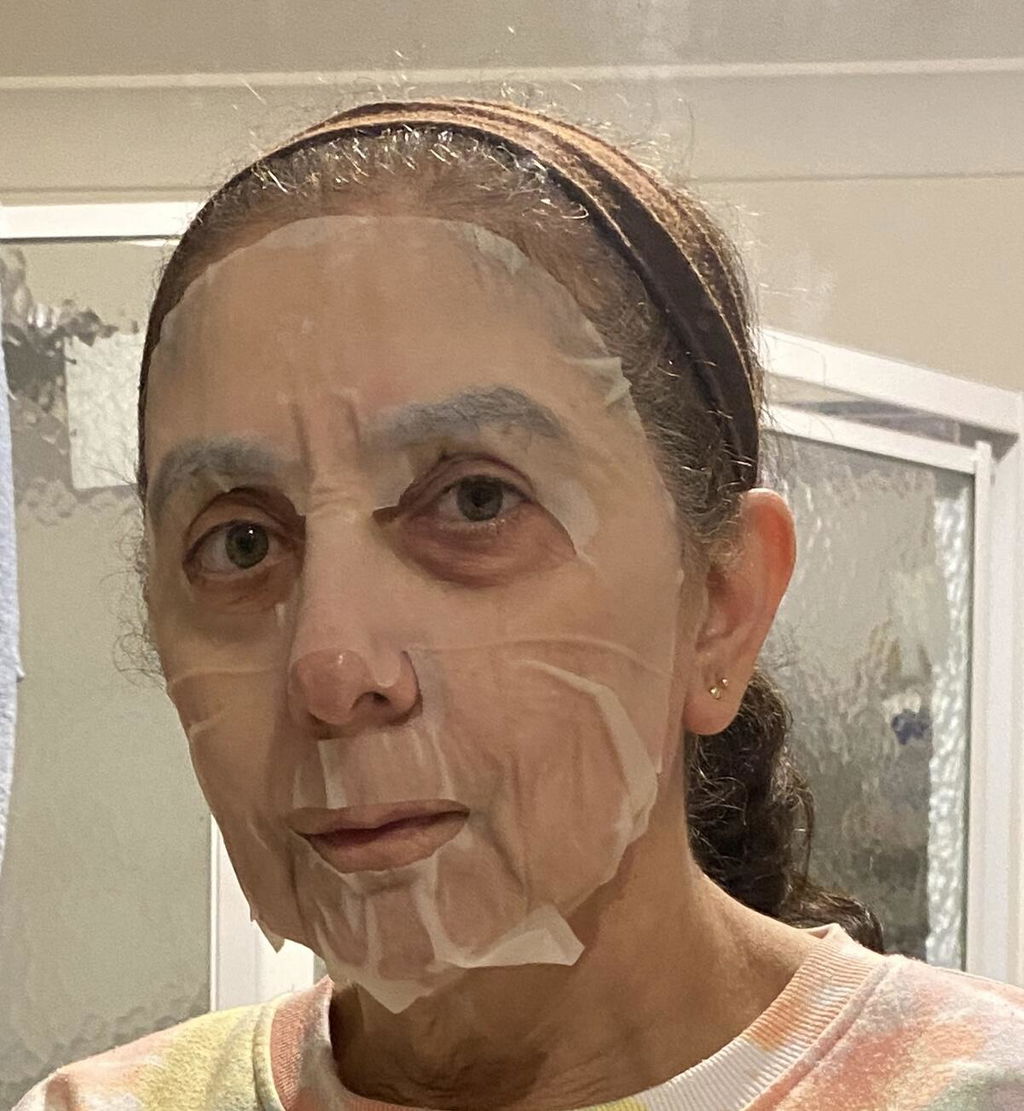
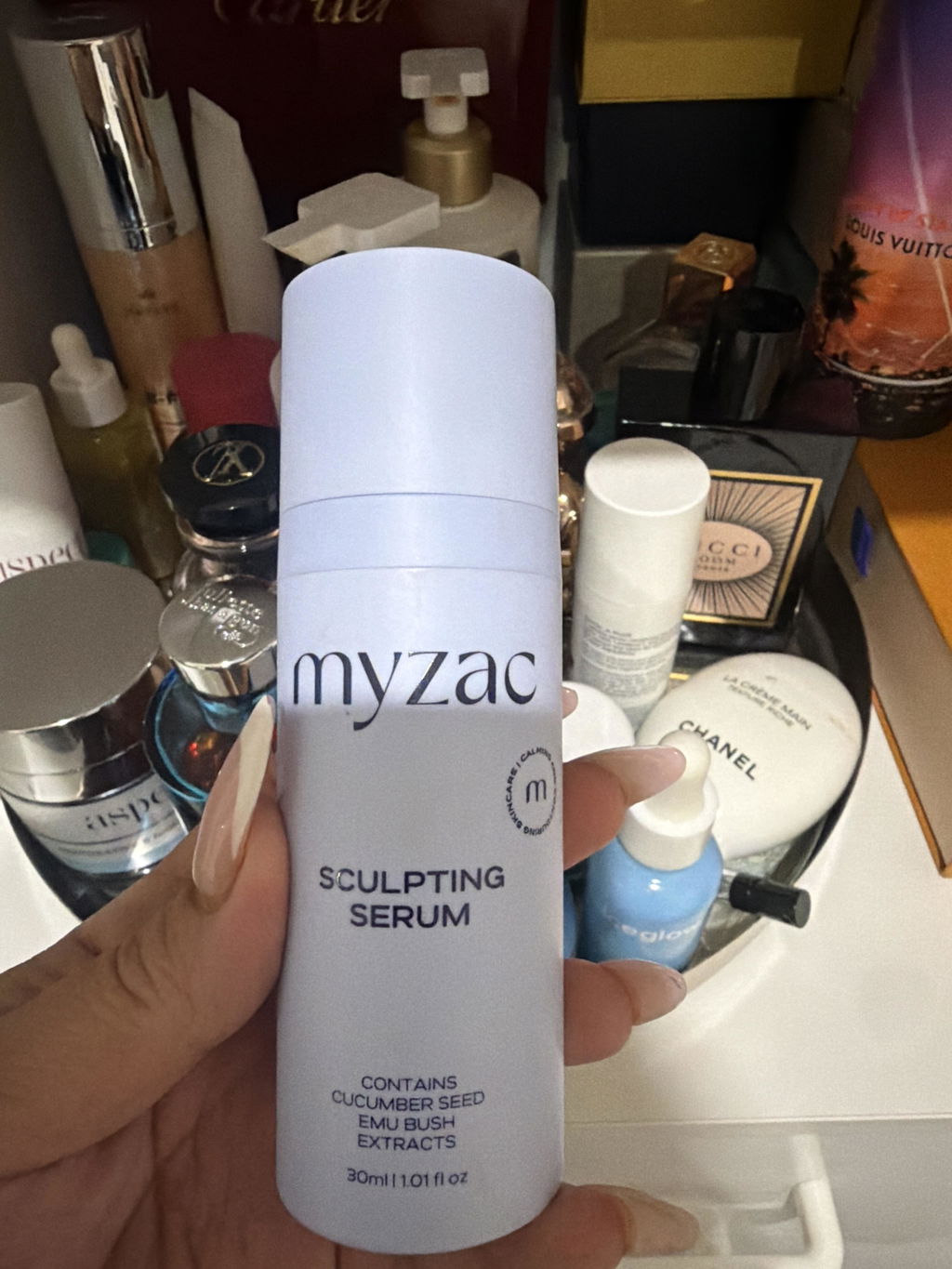
When people think about skincare ingredients, they usually focus on actives like retinol, vitamin C, or exfoliating acids. But one category that rarely gets attention is preservatives. These behind-the-scenes ingredients play a critical role in keeping products safe and stable, yet they can also be a hidden source of irritation for many skin types. Understanding how preservatives work and why they matter can completely change how you choose skincare.
Why Preservatives Exist in Skincare
Preservatives are essential in modern formulations. Any product that contains water can become a breeding ground for bacteria, mould, and yeast. Without preservatives, skincare would spoil quickly and potentially become unsafe to use.
Their role is simple:They extend shelf life, prevent contamination, and ensure product stability from manufacturing to your bathroom shelf.
However, not all preservatives are equal in how they interact with the skin.
The Problem Most People Don’t See
While preservatives protect products, some can be harsh on sensitive skin. For many people experiencing unexplained redness, stinging, or tightness, preservatives may be the hidden culprit.
This is especially true for individuals with:Sensitive skinCompromised barriersPost-procedure skinRosacea-prone skinChronic dryness
In these cases, even small amounts of certain preservatives can trigger discomfort.
Why Sensitive Skin Reacts More Easily
Healthy skin has a strong barrier that helps defend against irritants. But when the barrier is weakened, the skin becomes more permeable. This means ingredients that normally feel fine can suddenly cause stinging or inflammation.
Preservatives are designed to kill microorganisms, so it makes sense that some may also feel harsh on compromised skin. This is why people often develop new sensitivities after over-exfoliating or using strong actives.
The Rise of Preservative Awareness
Over the past decade, more consumers have started paying attention to ingredient lists. As awareness around skin barrier health grows, so does curiosity about what goes into formulations.
Many people are now asking:Why does this product sting?Why does my skin react even when I avoid actives?Could hidden ingredients be the cause?
This shift has led to increased interest in gentler, more thoughtfully preserved skincare.
Preservatives and Skin Comfort
One of the biggest differences between traditional and clinically inspired skincare is how comfort is prioritised. Instead of focusing only on shelf life, some modern brands consider how every ingredient affects the skin experience.
This includes carefully selecting preservative systems that support both safety and comfort. Brands like https://myzac.com.au take this approach seriously, formulating products with sensitive and post-treatment skin in mind.
Why Formulation Matters More Than a Single Ingredient
It is important to remember that skincare is never just about one ingredient. A preservative that works well in one formula may feel irritating in another.
Factors that influence tolerability include:Concentration levelsSupporting ingredientspH balanceDelivery systemOverall formulation philosophy
This is why clinically inspired brands focus on the entire formulation rather than marketing one hero ingredient.
The Link Between Preservatives and Post-Treatment Skin
After cosmetic treatments, the skin barrier is temporarily weakened. During this time, skin becomes more reactive to ingredients that would normally feel fine.
This is where preservative choice becomes especially important. Skincare designed for post-procedure use is often formulated to minimise irritation and maximise comfort. Products developed with clinical insight tend to reflect this need for extra gentleness.
The Shift Toward Skin-Friendly Formulations
As consumer education grows, more people are moving toward skincare that prioritises tolerance and barrier support. Instead of chasing the strongest actives, they are choosing formulations that feel calm, balanced, and reliable.
This has led to a rise in:Barrier-focused skincareMinimalist formulationsSensitive-skin-friendly productsClinically inspired brands
Many consumers are now willing to trade hype for comfort and consistency.
What to Look For in Gentle Skincare
If you suspect preservatives may be contributing to skin sensitivity, consider choosing products designed with skin comfort in mind.
Look for formulations that:Prioritise barrier supportAvoid overly harsh ingredient combinationsFeel calming on applicationAre designed for sensitive or reactive skinCome from brands with a clinical background
Exploring ranges like https://myzac.com.au can be a good starting point if you are looking for skincare developed with real-world skin challenges in mind.
The Bigger Picture: Comfort Builds Consistency
One of the most overlooked truths in skincare is that comfort drives consistency. If a product stings or causes subtle irritation, people stop using it. Over time, this inconsistency can prevent real results.
Gentler formulations make it easier to stick to a routine. And when skincare feels good to use, people are more likely to maintain healthy habits long term.
Final Thoughts
Preservatives are an essential part of modern skincare, but they are rarely discussed in everyday beauty conversations. For people with resilient skin, they may never cause issues. But for those with sensitivity or a compromised barrier, they can make a noticeable difference.
As skincare evolves, more brands are recognising that safety and comfort must go hand in hand. This shift is driving a new generation of formulations designed to protect both the product and the skin using it.
By becoming more aware of what goes into your skincare and how it feels on your skin, you can make more informed choices that support long-term skin health. And as comfort-first skincare continues to grow, thoughtfully formulated options like those at https://myzac.com.au are helping redefine what gentle, effective skincare can look like