Lifestyle Habits for Sensitive-Feeling Skin
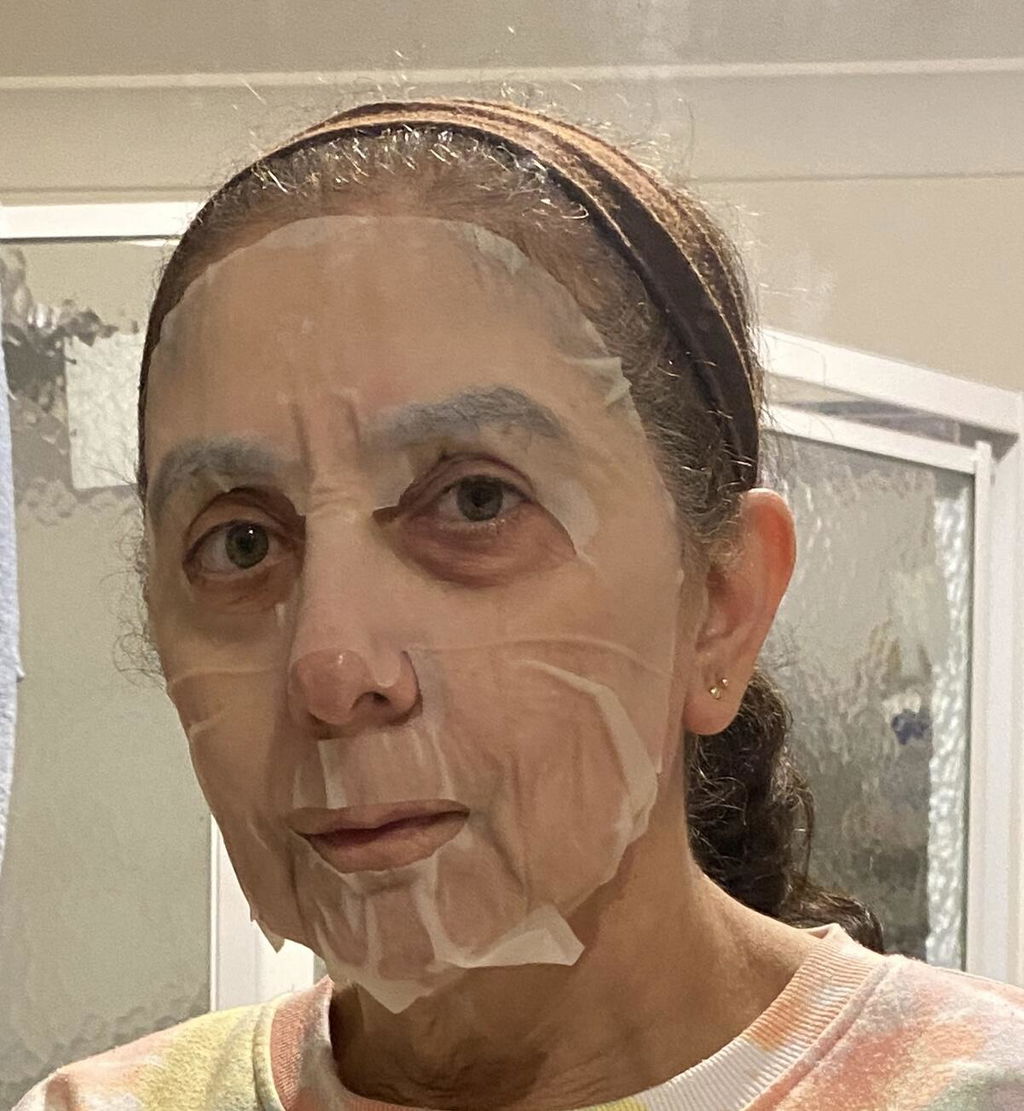
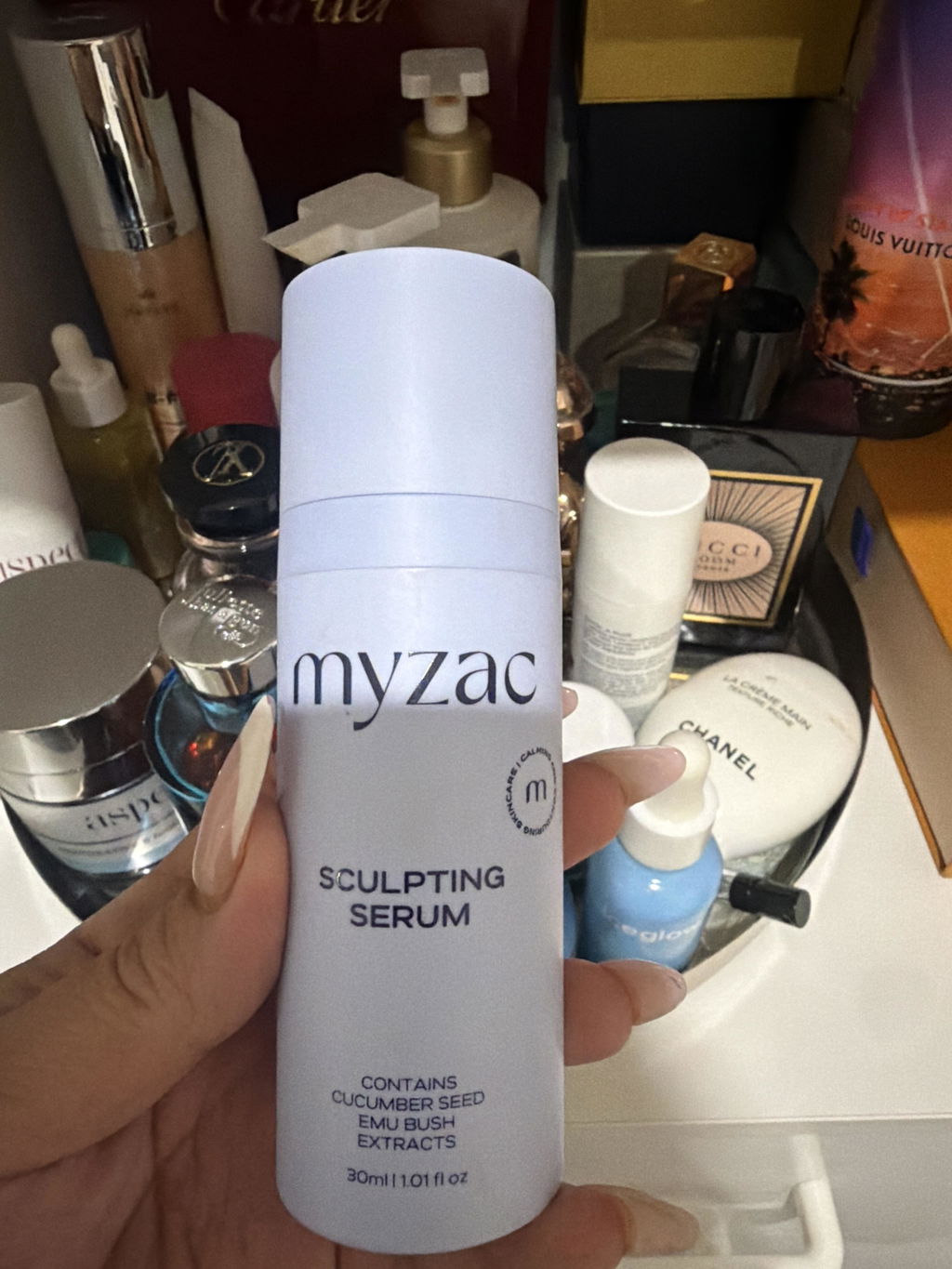
Caring for sensitive-feeling skin is not only about what you put on your face. Lifestyle habits can influence how your skin looks and feels day to day, especially when it comes to stress, sleep, hydration, and environmental exposure. Comfort-first skincare, like MYZAC (https://myzac.com.au), can fit best when paired with steady, supportive habits and a simple routine you can stick to.
Sleep
Sleep can influence how your skin looks and feels. When sleep is limited, some people notice skin can look duller, feel drier, or appear more puffy around the eyes. Prioritising seven to nine hours of quality sleep may support a more comfortable-looking complexion over time.
Stress
Stress can affect the way skin behaves, including making skin feel more reactive or look redder than usual. Simple stress-support habits such as breathing exercises, mindfulness, yoga, or time outdoors can help support overall wellbeing, which may also support skin comfort.
Diet and hydration
Hydration and balanced meals can influence overall skin comfort and appearance. Drinking water regularly and focusing on a balanced diet with healthy fats, fruit, and vegetables can support a routine that feels more stable. Some people also notice that excess sugar, alcohol, or highly processed foods can coincide with skin feeling more unsettled.
Exercise
Exercise can be a great habit, but if your skin feels easily reactive, it can help to manage heat, friction, and sun exposure. After workouts, cleanse gently if needed, rehydrate with a comfort-first moisturiser, and apply sunscreen if you are heading outdoors.
Environmental factors
Pollution, wind, extreme temperatures, and UV exposure can all affect how skin feels. Practical steps like hats, sunscreen, and avoiding extreme exposure where possible can help keep routines more comfortable and consistent.
Consistency matters
A daily routine that combines gentle skincare with supportive lifestyle habits is often easier to maintain. MYZAC products are designed for hydration, barrier support, and everyday comfort, helping keep routines simple and wearable.
Lifestyle tips for sensitive-feeling skin
- Aim for 7–9 hours of quality sleep.
- Build a daily stress-support habit (breathing, walking, mindfulness).
- Stay hydrated and choose balanced meals.
- Exercise thoughtfully and minimise heat/friction where possible.
- Protect skin from wind and sun with hats and sunscreen.
This content is general information only and is not medical advice. Always follow label directions for use and patch test new products.