Understanding Common Triggers of Red-Looking Skin
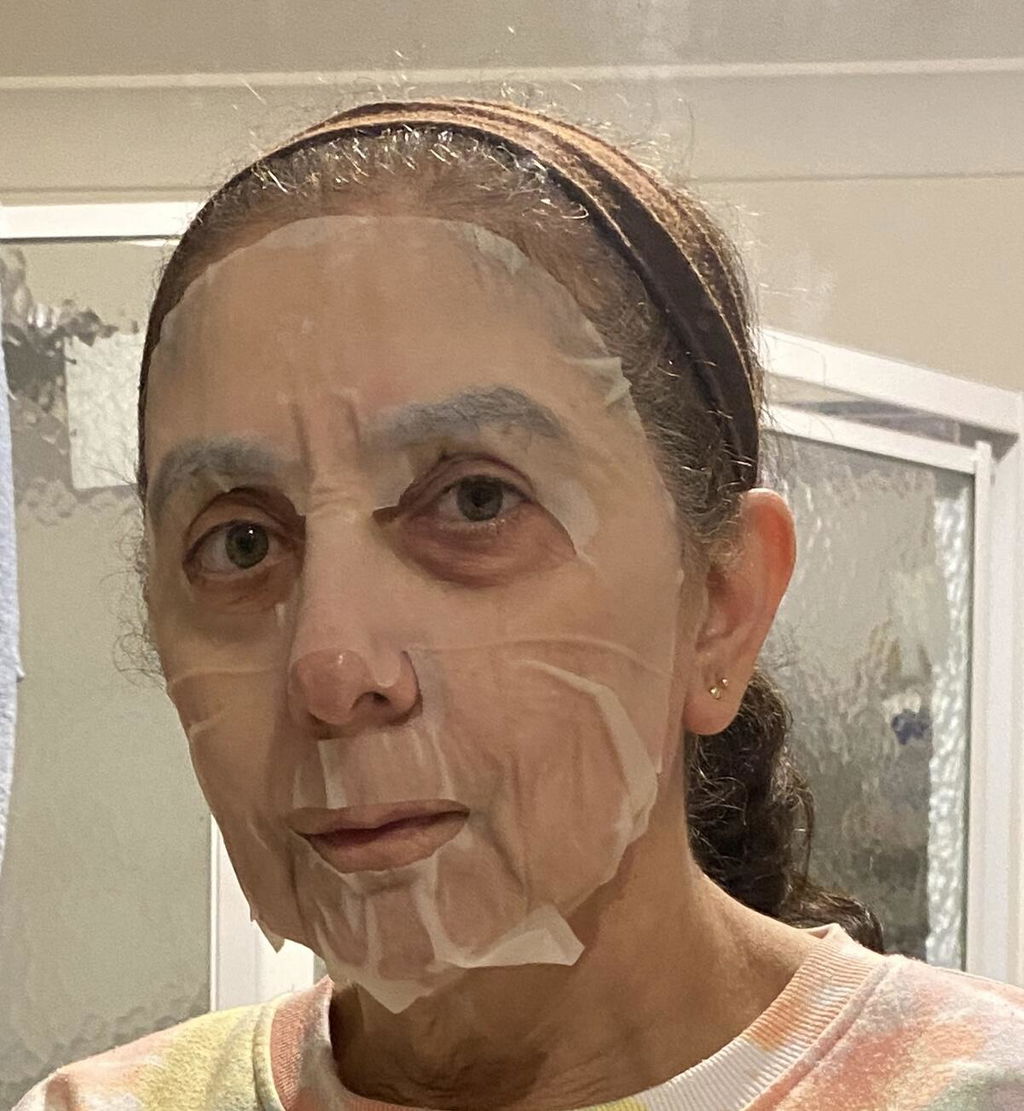
Red-looking skin can be frustrating, especially for people who describe their skin as sensitive-feeling. It may show up as blotchiness or flushing across the cheeks, nose, or forehead. Redness can be more noticeable after exercise, sun exposure, or temperature changes, and it can also appear when skin feels dry, tight, or easily reactive.
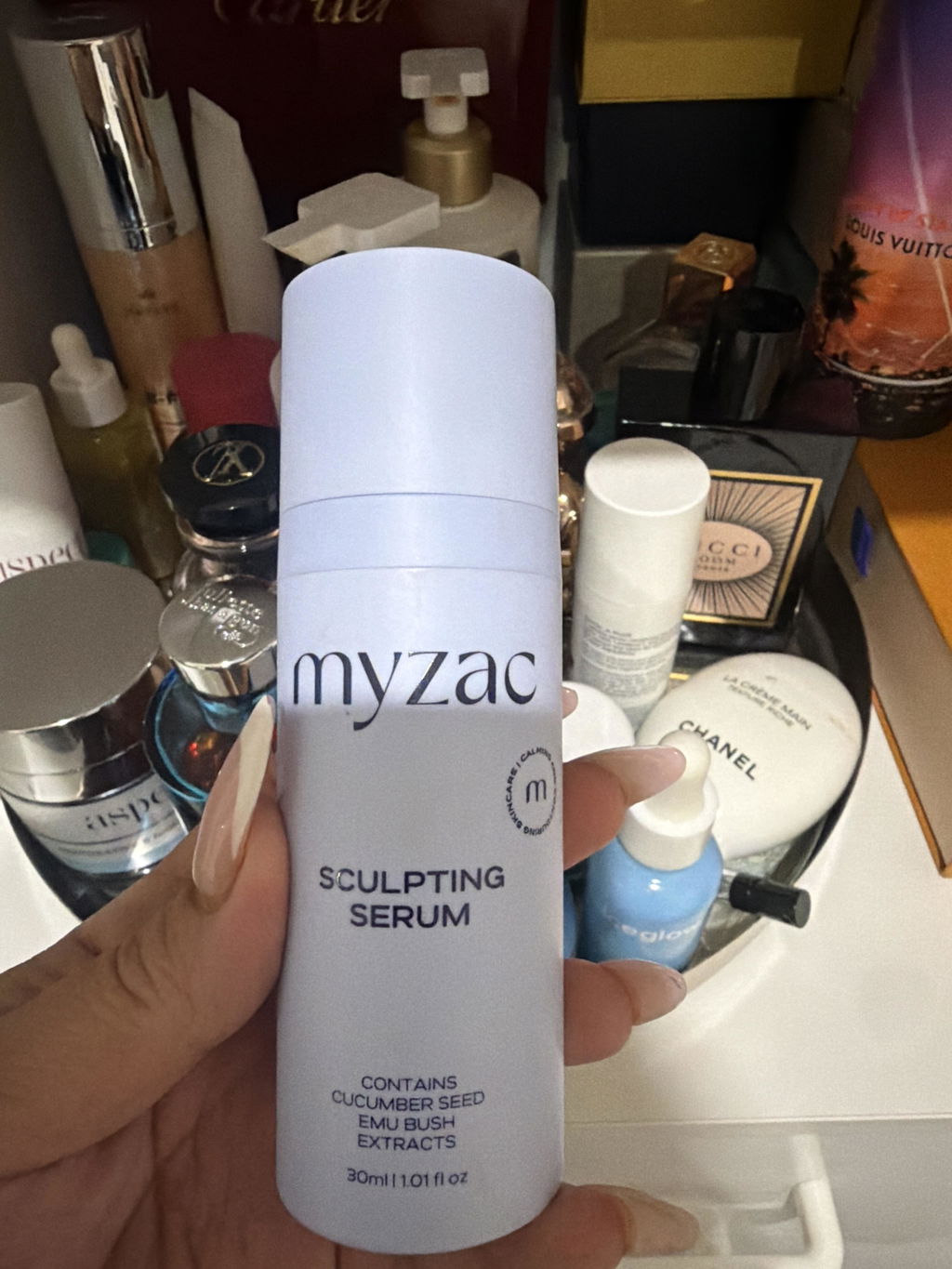
Comfort-first skincare, like MYZAC (https://myzac.com.au), often focuses on hydration and barrier-supportive routines designed to help skin feel more comfortable and reduce the appearance of redness.
Environmental triggers
Sun exposure, wind, extreme temperatures, and pollution can make redness look more noticeable and leave skin feeling more reactive. Practical steps such as hats, protective clothing, and daily broad-spectrum sunscreen (used as directed) can help reduce exposure.
Routine triggers
Harsh cleansers, fragranced moisturisers, frequent exfoliation, and stacking multiple strong actives (such as retinoids and exfoliating acids) can leave sensitive-feeling skin feeling uncomfortable. Many people find that a simpler routine focused on gentle cleansing and hydration is easier to tolerate. Introduce new products gradually and patch test first.
Lifestyle factors
Stress, poor sleep, dehydration, alcohol, and dietary patterns can influence how skin looks and feels. Supportive habits like hydration, consistent sleep, and stress-management practices can help keep skin feeling more stable.
Hormonal changes
Hormonal shifts can coincide with changes in how skin behaves, including periods where skin looks redder or feels more reactive. During these times, gentle routines and comfort-first formulas are often easier to maintain.
Tips for red-looking, sensitive-feeling skin
- Use gentle, fragrance-free cleansers and moisturisers (where tolerated).
- Wear broad-spectrum sunscreen daily and reapply as directed.
- Avoid overloading your routine with multiple strong actives at once when skin feels reactive.
- Introduce new products one at a time and patch test first.
- Reduce exposure to wind and extreme temperatures where possible.
Final thoughts
Red-looking, sensitive-feeling skin often does best with a simple routine that prioritises comfort and consistency. With gentle cleansing, hydration, barrier support, and sun protection, skin can feel more comfortable and look more balanced over time.
This content is general information only and is not medical advice. Always patch test new products and follow label directions for use. If irritation persists or you have ongoing skin concerns, consult a qualified healthcare professional.