Sensitive Skin Solutions: Common Mistakes and How to Avoid Them
Sensitive-feeling skin can be frustrating to manage. Visible redness, stinging, tightness, or discomfort can show up unexpectedly, even with products that previously felt fine. While some sensitivity can be part of how skin behaves, a few common routine mistakes can make skin feel more reactive. Understanding these patterns can help you build a routine that feels more comfortable and predictable.
Mistake 1: Over-Exfoliating
Exfoliation can improve the look of skin texture, but too much can leave skin feeling dry, tight, or uncomfortable. Frequent use of acids, scrubs, or strong retinoids can make sensitive-feeling skin harder to tolerate. A gentle, measured approach (or taking a break) can help keep routines more comfortable.
Mistake 2: Layering Too Many Products
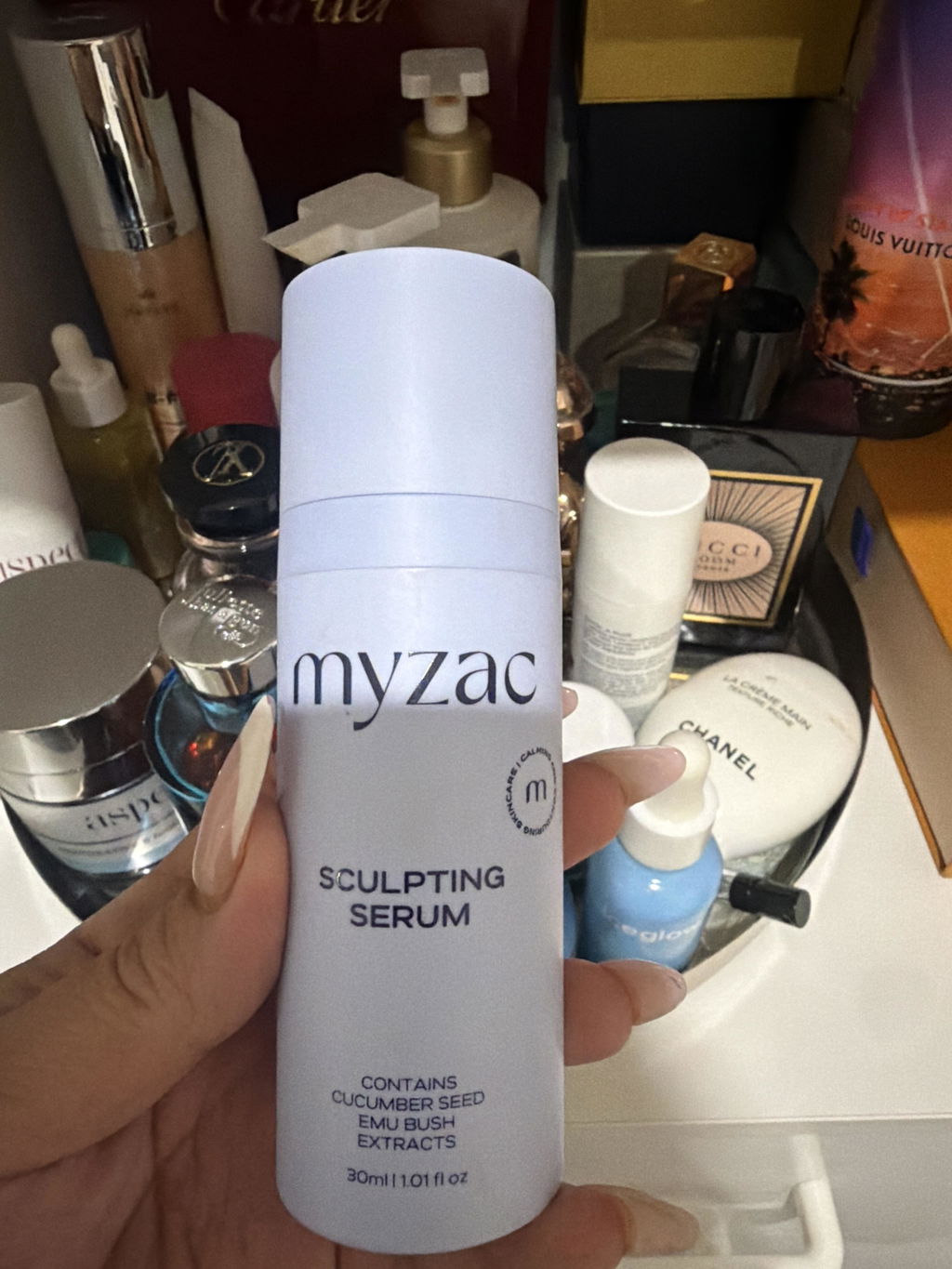
Using multiple active ingredients or layering products without a plan can overwhelm sensitive-feeling skin. Even products that feel gentle on their own may feel uncomfortable when combined. Simplifying your routine and choosing multifunctional formulas can help reduce the chance of discomfort. Brands like MYZAC (https://myzac.com.au) focus on gentle, easy-to-layer products designed for everyday comfort.
Mistake 3: Ignoring Barrier Support
Sensitive-feeling skin is often linked to dryness and a routine that feels “too much.” Many people focus only on visible dryness or redness, without adjusting the routine for hydration and barrier support. Hydration, skin-comfort ingredients, and barrier-supportive lipids can help skin feel more comfortable over time.
Mistake 4: Switching Products Too Frequently
Trying several new products at once makes it difficult to identify what your skin likes and what it does not. Sensitive-feeling skin often benefits from consistency. Introduce one product at a time and monitor how your skin feels.
Mistake 5: Skipping Sun Protection
UV exposure can contribute to visible redness and leave skin feeling more sensitive. Daily sunscreen is an important part of a routine, especially when skin feels more delicate than usual. Choose a sunscreen that feels comfortable on your skin and follow label directions for use.
Mistake 6: Neglecting Lifestyle Factors
Skin comfort is not only influenced by products. Stress, poor sleep, dehydration, and environmental exposure can all affect how skin looks and feels. Supporting basic habits like hydration, sleep, and protection from extreme conditions can help skin feel more stable.
How to Protect Sensitive-Feeling Skin
- Simplify your routine and focus on hydration and barrier support.
- Choose gentle formulas designed for everyday comfort.
- Introduce one new product at a time.
- Avoid harsh scrubs and stacking multiple strong actives when skin feels reactive.
- Apply sunscreen daily.
Final Thoughts
Sensitive-feeling skin often responds best to simple routines that prioritise comfort and consistency. By avoiding over-exfoliation, over-layering, frequent switching, and skipping sunscreen, you can support skin that feels more comfortable and looks more balanced over time.
This content is general information only and is not medical advice. Always patch test new products and follow label directions for use. If irritation persists, consult a qualified healthcare professional.