The Role of pH in Skincare: Why It Matters for Barrier Comfort
Many people overlook pH in skincare, but it can make a real difference to how products feel on the skin. Skin is naturally slightly acidic, often described in the range of about pH 4.5 to 5.5. When products are significantly more alkaline, some people notice their skin can feel tight, dry, or more easily irritated.
Why pH Matters
A routine that respects the skin’s natural acidity can help skincare feel more comfortable and easier to tolerate. When skin feels “off balance,” it may look redder, feel drier, or feel more reactive to products than usual.
Common pH-Related Mistakes
- Using harsh cleansers
Some soaps and high-foam cleansers can feel stripping, which can leave skin feeling tight and uncomfortable.
- Layering too many strong steps at once
Using several exfoliating products together, or mixing strong actives without a plan, can make skin feel sensitised.
- Skipping hydration after cleansing
If skin feels tight after cleansing, following with hydration and barrier-supportive steps can help restore comfort.
How Clinically Inspired Skincare Approaches pH
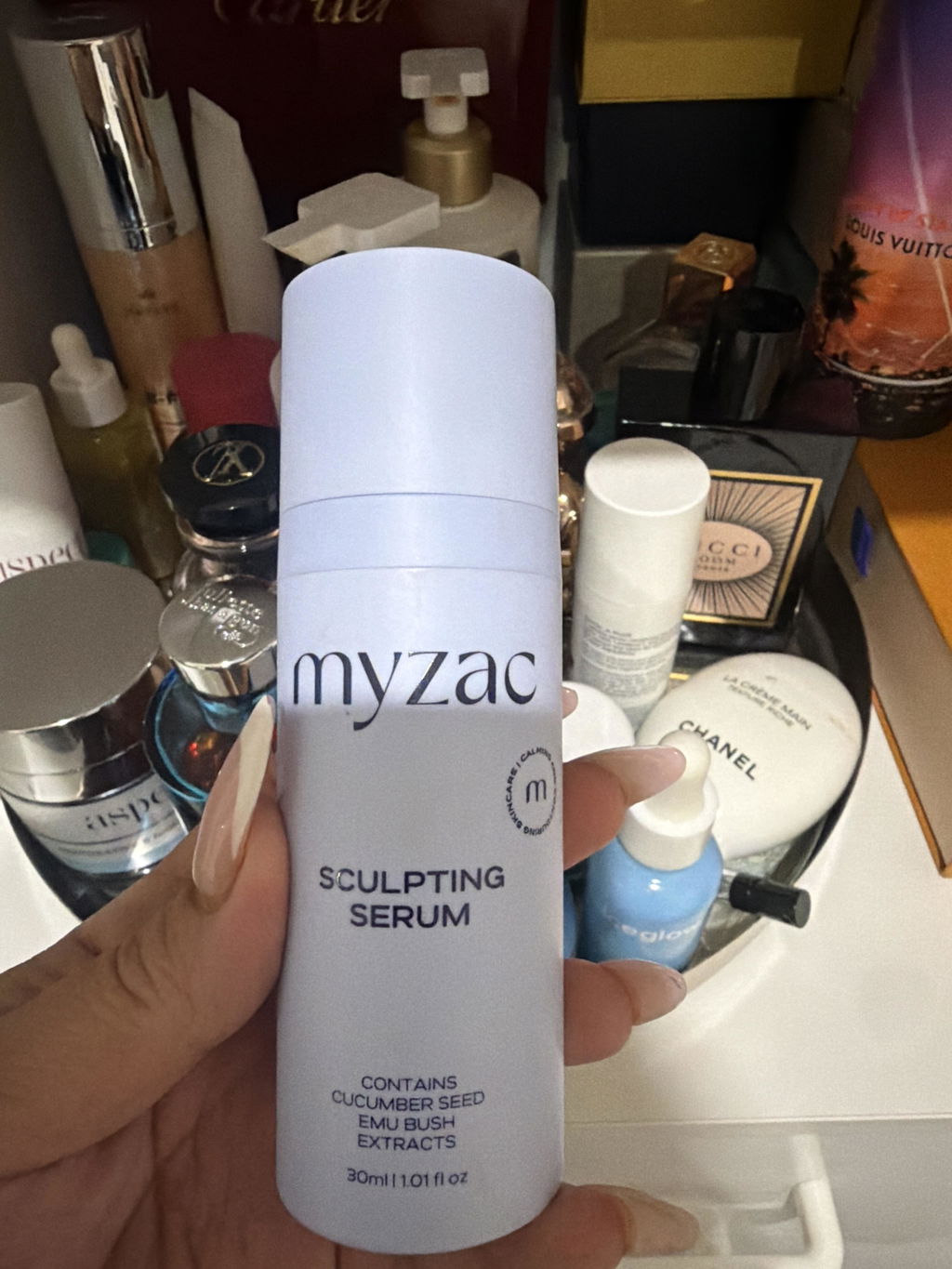
Some clinically inspired brands, like MYZAC (https://myzac.com.au), consider product feel and routine compatibility, including how formulas sit on the skin when layered. The goal is typically gentle daily use, hydration support, and barrier comfort, rather than harsh “stripping” steps.
Supporting Barrier Comfort Through Your Routine
- Choose a gentle cleanser that leaves skin feeling comfortable, not tight.
- Avoid stacking multiple strong exfoliating steps in the same routine.
- Prioritise hydration and barrier-supportive ingredients after cleansing.
- Introduce actives gradually, one at a time, and monitor how your skin feels.
Final Thoughts
pH is a helpful concept when building a routine that feels comfortable and consistent. If your skin tends to feel tight or reactive, simplifying your routine and choosing gentler, comfort-first formulas can be a practical starting point.
This content is general information only and is not medical advice. Always patch test new products and follow label directions for use. If irritation persists, consult a qualified healthcare professional.